
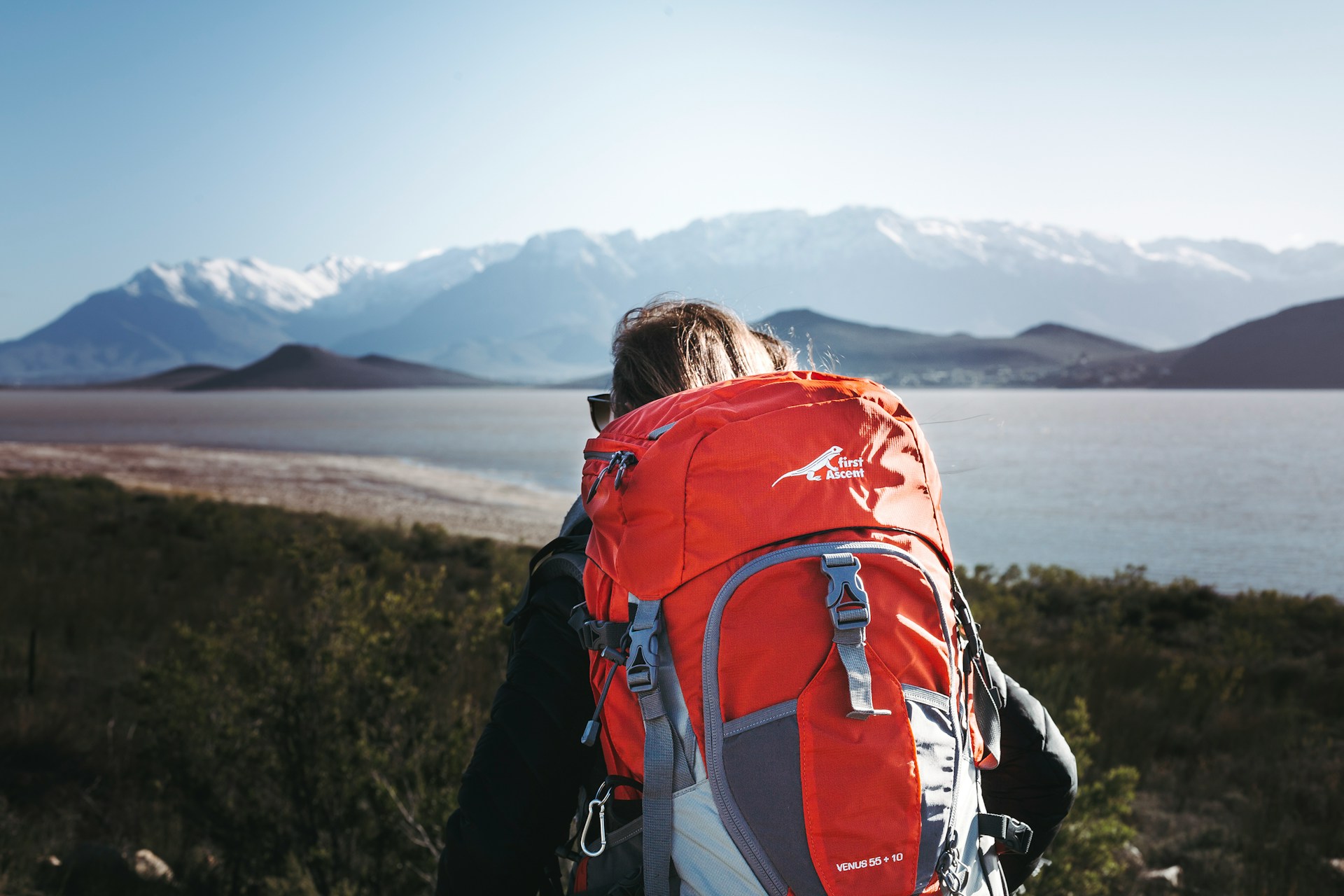
Choosing the right adventure can shape how meaningful a trip becomes. Travel means different things to different people. Some seek calm discovery, while others crave challenge and motion. Understanding your travel style helps you select experiences that feel natural and rewarding. This guide explains how to match your interests, limits, and goals with the right kind of adventure. The focus stays practical, friendly, and clear, so planning feels easier and more confident from the start.
Understanding Your Personal Travel Style
Every traveler carries preferences shaped by personality and experience. Some enjoy structure, while others prefer freedom. You may like planning every detail or leaving space for surprise. Think about past trips and what made them enjoyable. Energy level also matters. Fast-paced days suit some people, while others need rest between activities. A clear sense of your habits helps narrow options. This awareness creates a unique foundation for smart travel choices.
Defining Your Comfort With Risk and Challenge
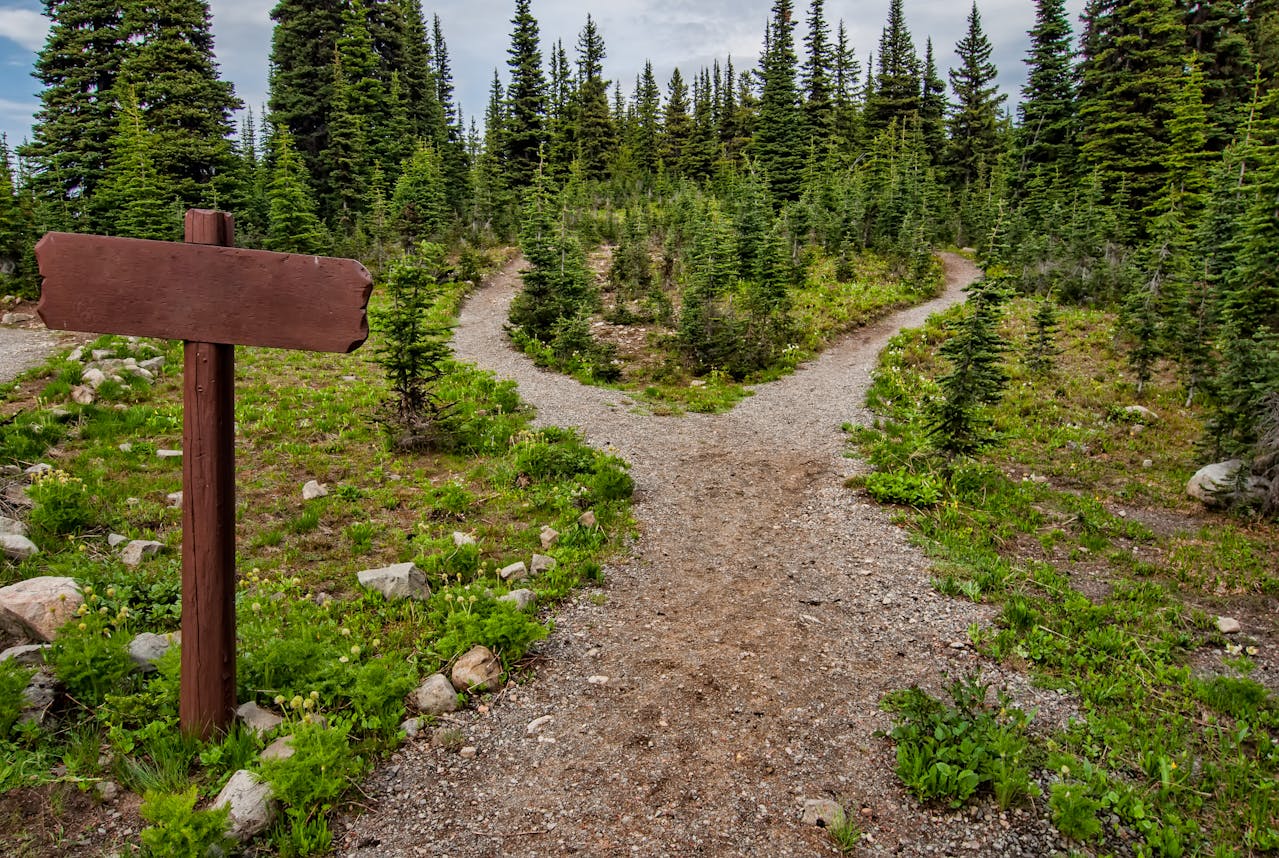
Adventure does not always mean danger. It can be as simple as trying new food or hiking a quiet trail. Consider how you feel about uncertainty. Some travelers enjoy pushing limits, while others prefer steady control. Physical ability matters too. High-altitude treks or intense sports demand preparation. Choosing challenges that fit your comfort zone helps ensure safety and enjoyment. Growth happens best when effort feels motivating, not overwhelming.
Matching Adventure Types to Your Interests
Interests guide satisfaction more than trends. Nature lovers may enjoy forests, mountains, or coastlines. Culture-focused travelers often prefer walking tours or local experiences. Action seekers might enjoy rafting or climbing. Learning-focused trips offer workshops or guided exploration. When interests align with activities, engagement comes naturally. You stay curious and present. That connection makes each day feel purposeful and memorable.
Considering Time, Budget, and Flexibility
Practical limits shape every journey. Time off from work affects how far and how long you can travel. Budget influences accommodation, transport, and activities. Some adventures require long stays, while others fit short breaks. Flexibility also matters. Tight schedules limit options, while open plans allow change. Honest planning helps ensure smooth travel. A well-matched plan reduces stress and supports enjoyment from start to finish.
Balancing Comfort With Exploration
Adventure does not require discomfort at every step. Many travelers prefer a balance. Comfortable lodging can pair well with active days. Good meals and rest support energy. Balance helps prevent burnout. It also allows you to enjoy moments fully. Choosing comfort wisely does not reduce authenticity. Instead, it can ensure you stay engaged and healthy while exploring new places.
Choosing Between Solo, Group, or Guided Travel
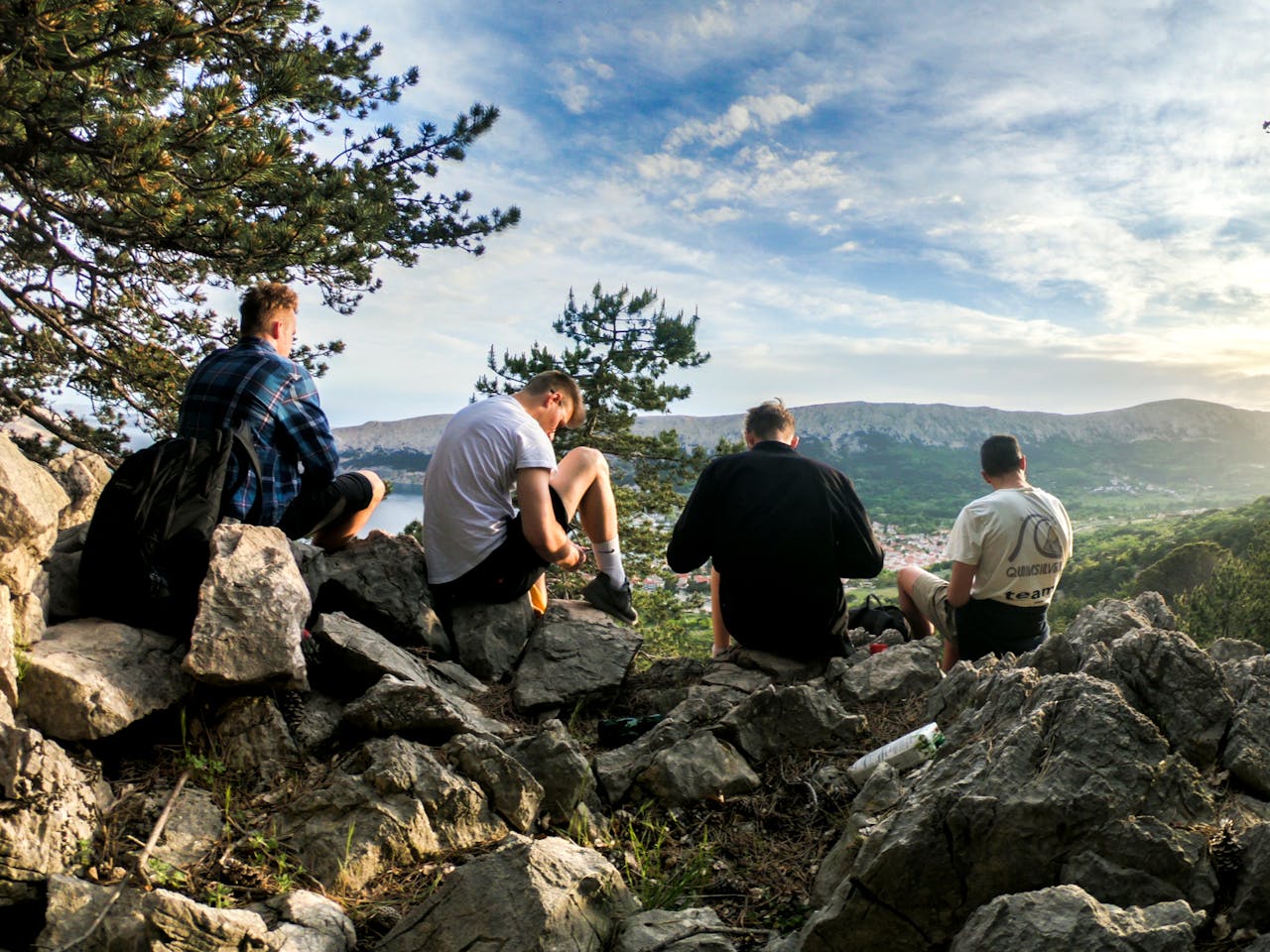
Travel style also depends on how you like to share experiences. Solo travel offers freedom and reflection. Group travel brings structure and shared energy. Guided trips provide expertise and support. Each option serves different needs. First-time adventurers often prefer guidance. Experienced travelers may enjoy independence. Social comfort plays a role, too. Pick what helps you feel relaxed and confident throughout the journey.
Planning for Safety and Preparation
Preparation builds confidence. Research destinations carefully. Learn about climate, terrain, and local customs. Packing properly supports safety and ease. Insurance and emergency plans are wise additions. Knowing basic health precautions helps reduce risk. Preparation does not remove spontaneity. It simply provides a stable base. Taking these steps shows utmost respect for your well-being and the environment you visit.
Reflecting on Goals and Travel Meaning
Every journey carries intention, even if unspoken. Some travel to rest. Others seek growth or inspiration. Reflect on what you hope to gain. Clarifying goals shapes better choices. Adventure becomes more meaningful when it aligns with values. Over time, your style may change. Stay open to that evolution. The right adventure today may differ tomorrow, and that is natural.
Travel works best when it reflects who you are. Thoughtful choices create experiences that feel balanced and rewarding. By understanding preferences, limits, and goals, travelers can plan with clarity. The process does not need to be complex. Simple reflection leads to better decisions. When alignment exists, each journey feels purposeful. You return with insight, energy, and stories that matter. Planning with care helps ensure travel remains a source of joy rather than pressure. With awareness and intention, adventure becomes a lasting part of personal growth.
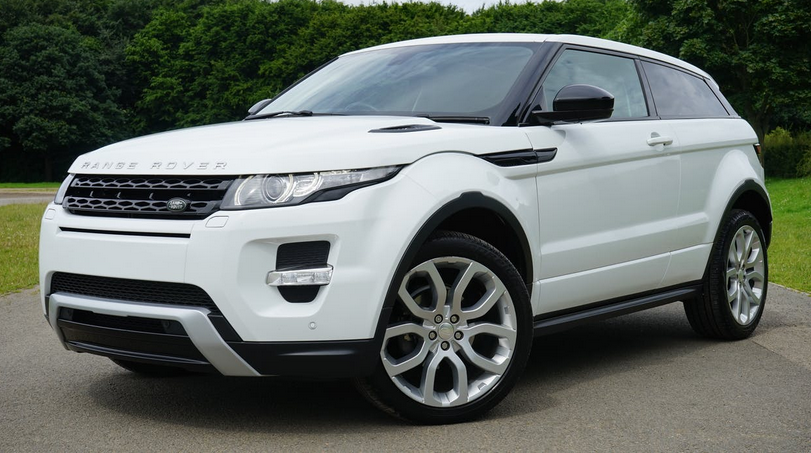
 Finally, it’s important to remember that planning is key to saving money on your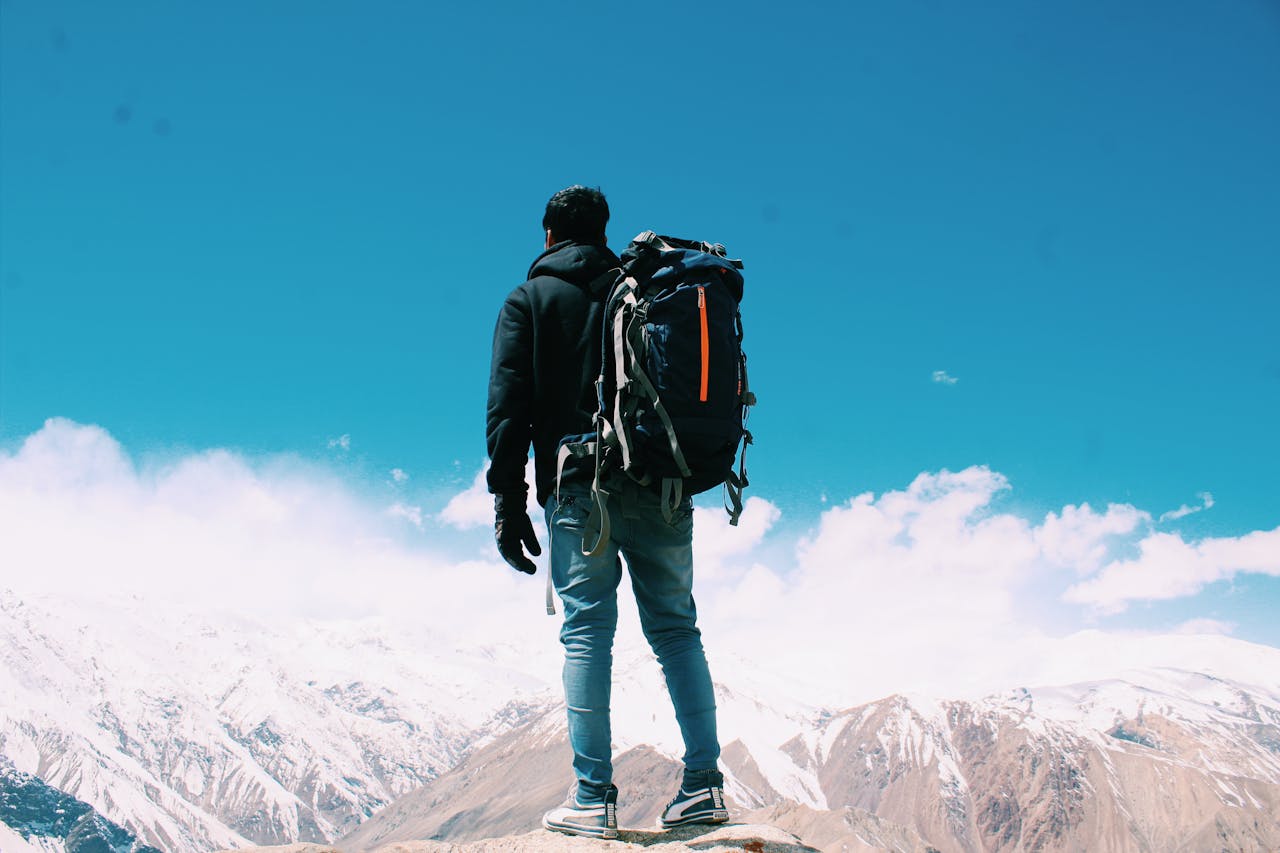
 A durable backpack is the cornerstone of any successful backpacking trip. It’s your lifeline, carrying everything you need for days on end. When selecting one, look for high-quality materials that can withstand rugged terrain and unpredictable weather. Consider features like reinforced stitching and heavy-duty zippers. These elements ensure longevity and reliability on long hikes. A good suspension system also helps distribute weight evenly across your back, making those steep climbs feel less daunting. Don’t forget about storage options! Multiple compartments help keep your gear organized, so you can quickly grab what you need without rummaging through everything.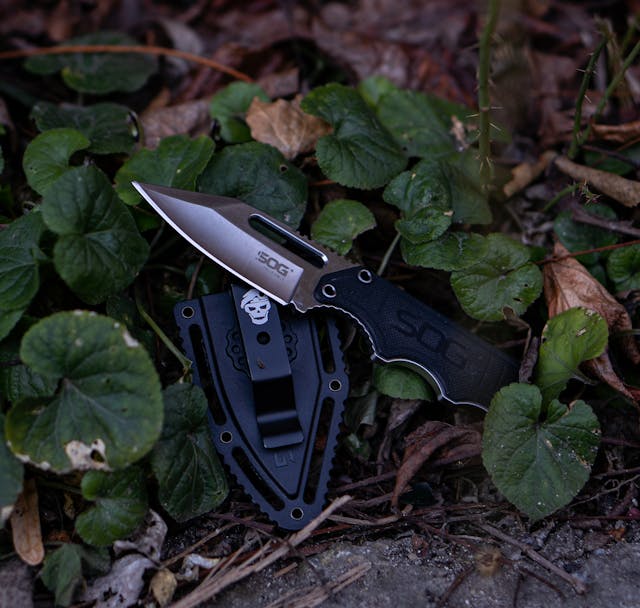
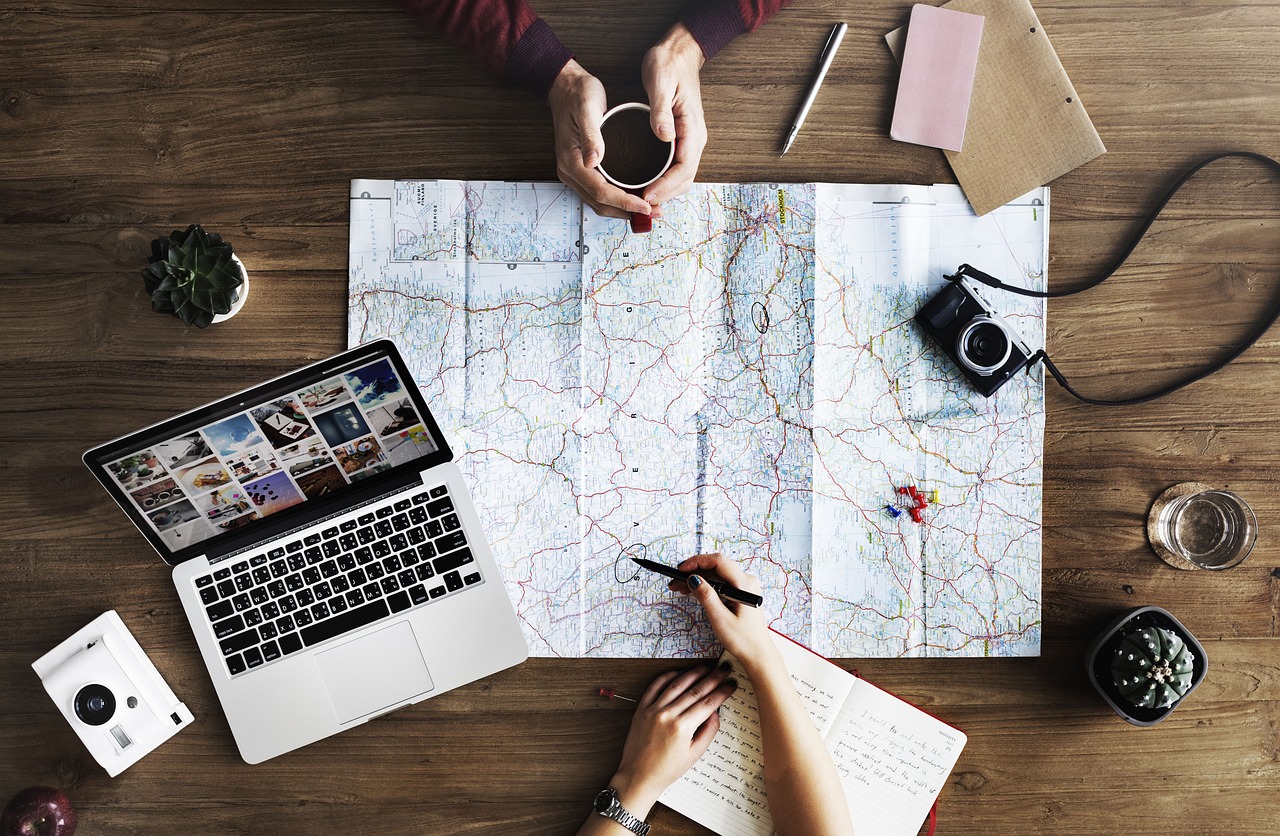
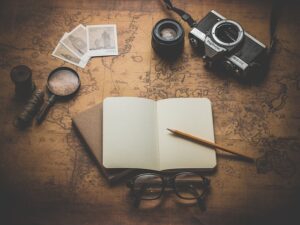 Efficiency is crucial when it comes to planning your itinerary. By mapping out your days in advance, you can make the most of your time and ensure you take advantage of all must-see attractions or experiences. Having a well-organized schedule allows you to optimize transportation routes, avoiding unnecessary backtracking or wasted time between locations. Plus, knowing exactly where you need to be and when helps reduce stress and confusion during your trip. Researching opening hours and peak times for popular sites can help you plan your visits strategically, maximizing your chances of enjoying them without long lines or overcrowding.
 When
When